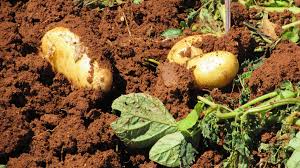
Potato

Sobre a planta

The potato is a tuber widely cultivated and consumed around the world. Rich in carbohydrates, it is an important source of energy in the diet. It grows best in mild climates with fertile, loose, and well-drained soil. It is used in various culinary preparations, such as boiled, fried, baked, or mashed.

Difficulty
Simple
Sun Exposure
Yes
Water
Regularly
Plant Size
80 CM
Nutrition
Potatoes are rich in carbohydrates, making them an important source of energy. They contain vitamin C, B-complex vitamins, and minerals such as potassium, phosphorus, and magnesium. They also provide fiber, especially when eaten with the skin.
Humidity
Potatoes prefer slightly moist but well-drained soil. Excess water can cause tuber rot and promote diseases. On the other hand, lack of water can reduce growth and the size of the potatoes. Irrigation should be regular, especially during tuber formation.
Cleaning
During potato cultivation, it is important to keep the soil clean by removing weeds that compete for nutrients and water. Diseased plants should also be removed to prevent the spread of pests and fungi. Good ventilation and proper moisture control help keep the crop healthy.
Temperature
-100 -50 0 50 100
Inaceitavel
Acceptable
Ideal
Sowing
Potatoes are planted from seed tubers (potatoes specifically for planting). They are placed in furrows in fertile, loose, well-drained soil, a few centimeters deep, with proper spacing. During growth, it is important to hill up the soil around the base of the plant to protect the tubers and stimulate development. Irrigation should be regular, avoiding waterlogging.
Weaknesses
Sensitive to very high temperatures Vulnerable to excess moisture and waterlogging Susceptible to pests such as beetles and caterpillars Can be affected by fungal diseases, such as late blight Requires loose soil; compacted soils hinder tuber formation
Leaves/Fruits
Potato leaves are green, compound, and slightly rough. They are responsible for photosynthesis and may show spots or wilting when affected by pests, diseases, or water stress. The potato plant produces small green fruits similar to tomatoes, which are not edible. The part that is consumed is the tuber, which develops underground and stores nutrients for the plant.
Gallery

Hortelã

Viver simples, viver sustentável
Contactos
Ficam aqui os meus contactos, e estejam à vontade para comentar e/ou sugerir temas, receitas ou apenas para dizer olá!! 🙂
+351 918 517 017
Chamada para a rede móvel nacional
Subscrever à Newsletter
Subscreve a newsletter para receberes notícias, ideias e inspiração da Hortelã no teu email :)
Subscricao

Todos os Direitos Reservados © 2026 Hortelã
  |  
cart
linkedin facebook pinterest youtube rss twitter instagram facebook-blank rss-blank linkedin-blank pinterest youtube twitter instagram