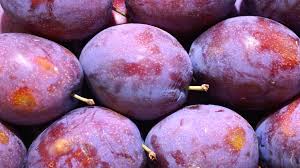
The plum is the fruit of the Prunus domestica tree, prized for its sweet or slightly acidic flavor. It is consumed fresh, dried, or in preserves and desserts.
Difficulty
Simple
Sun Exposure
Yes
Water
Regularly
Plant Size
6 CM
Nutrition
The plum is rich in vitamin C, vitamin K, fiber, and antioxidants. It also contains potassium, magnesium, and small amounts of B-complex vitamins.
Humidity
The plum requires moderate moisture, avoiding waterlogging that could harm the roots.
Cleaning
Cleaning consists of pruning dry or diseased branches, removing fallen leaves, and keeping the soil clean around the tree.
Temperature
-100-50050100
Inaceitavel
Acceptable
Ideal
Sowing
Planting is done using seedlings or grafting in fertile, well-drained soil with good sun exposure. It is important to space the trees properly to encourage fruit production.
Weaknesses
Sensitive to late frosts
Susceptible to pests such as aphids and fruit flies
Excess moisture can cause root diseases
Can be affected by compact or poorly drained soils
Leaves/Fruits
The leaves are green, oval, and slightly serrated.
The fruit is rounded or oval, with smooth skin and juicy pulp, ranging from yellow to purple.