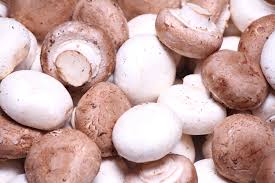
Mushroom

Sobre a planta

The Agaricus bisporus mushroom is a widely cultivated and consumed fungus worldwide, known for varieties such as the white button mushroom and the brown mushroom. It is extensively used in cooking due to its mild flavor and versatility in various dishes.

Difficulty
Medium
Sun Exposure
No
Water
Occasionally
Plant Size
10 CM
Nutrition
Agaricus bisporus is rich in protein, fiber, B-complex vitamins (such as B2, B3, and B5), and minerals like potassium, phosphorus, and selenium. It also contains antioxidants and is low in calories, contributing to a balanced and healthy diet.
Humidity
Agaricus bisporus requires high humidity to develop properly. The growing environment should maintain a relative humidity between 80% and 95% to support adequate mushroom growth. Insufficient humidity can dry out the substrate and hinder development, while excess water directly on the mushrooms can cause damage or disease.
Cleaning
Cleaning in mushroom cultivation consists of keeping the environment and the substrate free of contamination, such as unwanted fungi, bacteria, or debris. It is also important to remove damaged or diseased mushrooms and keep the growing area clean to prevent the outbreak of pests and diseases that could affect production.
Temperature
-100 -50 0 50 100
Inaceitavel
Acceptable
Ideal
Sowing
Mushroom cultivation is done using a substrate rich in organic matter, such as compost prepared with straw and other materials. Instead of seeds, mycelium (known as spawn in cultivation) is used, which is the vegetative part of the fungus responsible for growth. The mycelium is inoculated into the substrate and kept in a controlled environment with high humidity, low light, and good ventilation. After some time, the mushrooms begin to form, growing on the substrate surface, and can be harvested when they reach a suitable size.
Weaknesses
Susceptible to fungal and bacterial contamination Vulnerable to pests such as fungus gnats and mites Excessive moisture can favor diseases Lack of ventilation can hinder growth Very high temperatures can affect production
Leaves/Fruits
Mushrooms do not have leaves, as they are fungi and not plants. The part consumed is the fruiting body of the fungus, consisting of the cap and the stem, which grows above the substrate.
Gallery

Hortelã

Viver simples, viver sustentável
Contactos
Ficam aqui os meus contactos, e estejam à vontade para comentar e/ou sugerir temas, receitas ou apenas para dizer olá!! 🙂
+351 918 517 017
Chamada para a rede móvel nacional
Subscrever à Newsletter
Subscreve a newsletter para receberes notícias, ideias e inspiração da Hortelã no teu email :)
Subscricao

Todos os Direitos Reservados © 2026 Hortelã
  |  
cart
linkedin facebook pinterest youtube rss twitter instagram facebook-blank rss-blank linkedin-blank pinterest youtube twitter instagram