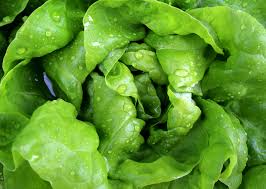
Lettuce is a fast-growing vegetable cultivated mainly for its green, tender, and crisp leaves. Widely used in salads and sandwiches, it is valued for its mild flavor, low calorie content, and high water content.
Difficulty
Medium
Sun Exposure
Partially
Water
Regularly
Plant Size
35 CM
Nutrition
Lettuce is low in calories and rich in water, helping with hydration. It contains vitamins such as A, C, and K, as well as minerals like potassium and iron, making it a light and nutritious option for daily meals.
Humidity
Lettuce prefers consistently moist but well-drained soil to prevent root rot. It also grows best in environments with moderate to high humidity, ensuring crisp and healthy leaves.
Cleaning
It is necessary to keep the planting bed free of weeds, as they compete for water and nutrients. It is also important to remove dry or diseased leaves to prevent the spread of pests and diseases. In addition, using clean water for irrigation and maintaining well-managed soil helps prevent contamination and growth problems.
Temperature
-100-50050100
Inaceitavel
Acceptable
Ideal
Sowing
To successfully grow lettuce, the ideal time to sow is between March and July, starting in protected environments in early spring and moving to the main bed as the weather warms up. The secret to a continuous harvest is succession planting—sow small rows every two weeks to ensure you always have fresh leaves on hand instead of an excessive harvest all at once. When the seedlings are 3 to 4 weeks old, transplant them into rich, well-fertilized soil, keeping a spacing of 10 to 30 cm and ensuring the soil remains consistently moist for healthy growth.
Weaknesses
Climate sensitivity
Dependence on proper irrigation
Vulnerability to pests and diseases
Requirement for fertile, well-drained soil
Delicate handling and low post-harvest durability
Leaves/Fruits
Lettuce leaves are soft, broad, and rich in water. They can be smooth or curly, green or purple, depending on the variety. They are delicate and sensitive to heat, lack of water, and pests.