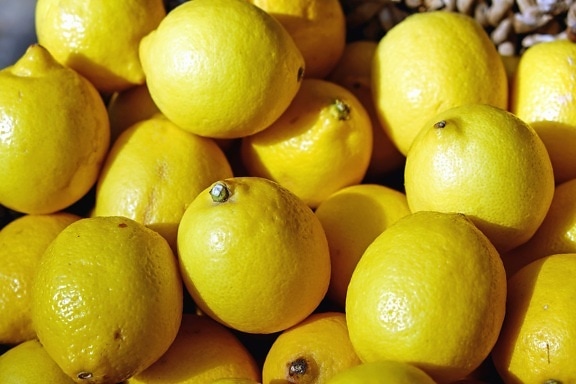
The lemon is a citrus fruit produced by the lemon tree (Citrus limon). It has a yellow rind and juicy flesh with a characteristic acidic flavor. It is widely used in food, beverages, and cooking due to its fresh aroma and nutritional value.
Difficulty
Medium
Sun Exposure
Yes
Water
Regularly
Plant Size
5 CM
Nutrition
Lemons are rich in vitamin C, antioxidants, and fiber. They also contain potassium and small amounts of B-complex vitamins, helping to strengthen the immune system and protect the body.
Humidity
The lemon tree prefers well-drained soil with moderate moisture. It requires regular watering, especially during periods of growth and fruiting, but excess water can damage the roots and encourage diseases.
Cleaning
The lemon tree requires regular pruning to remove dry, diseased, or crowded branches, helping to improve air circulation and light penetration. It is also important to remove damaged leaves and fruit to keep the plant healthy and promote a good harvest.
Temperature
-100-50050100
Inaceitavel
Acceptable
Ideal
Sowing
Lemon trees are generally planted using saplings, set in fertile, well-drained soil with good sun exposure. Planting is typically done in the spring, leaving enough spacing between trees to allow for their growth.
Weaknesses
Sensitive to frosts and very low temperatures
Vulnerable to excessive soil moisture
Susceptible to fungal and bacterial diseases
Can be attacked by pests such as aphids, scale insects, and fruit flies
Strong winds can damage branches, flowers, and fruit
Leaves/Fruits
The leaves are green, glossy, and oval-shaped, with a characteristic citrus aroma.
The fruits, called lemons, are oval-shaped and yellow when ripe, with an aromatic rind and juicy, acidic flesh.