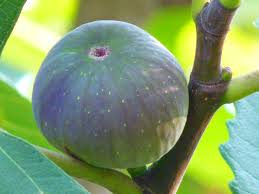
Fig

Sobre a planta

The fig tree is a fruit tree typical of Mediterranean regions, well-adapted to hot and dry climates. It produces the fig, a sweet and nutritious fruit that can be consumed fresh or dried. It is a very hardy and easy-to-grow plant, common in Portugal.
Difficulty
Simple
Sun Exposure
Yes
Water
Regularly
Plant Size
6 CM
Nutrition
The fig is a nutritious fruit, rich in fiber, vitamins, and minerals, especially vitamin B6, potassium, magnesium, and calcium. It also contains natural antioxidants, which help protect the body. Due to its fiber content, the fig contributes to good digestion and healthy bowel function.
Humidity
The fig tree prefers soil with moderate moisture, well-drained and without excess water. The fig tree tolerates periods of drought, but during the growth and fruit production stages, it is important to keep the soil slightly moist to promote good development.
Cleaning
The fig tree requires minimal maintenance, and it is recommended to remove dry leaves, dead or diseased branches to keep the plant healthy. It is also important to clear fallen or spoiled fruit from the ground to prevent pests and diseases.
Temperature
-100 -50 0 50 100
Inaceitavel
Acceptable
Ideal
Sowing
Fig trees are typically planted from cuttings or saplings, placed in well-drained soil with good sun exposure. Planting should preferably be done in late winter or early spring, leaving enough space between plants for their growth. After planting, it is important to water moderately and keep the soil fertile to promote the tree's development and future fruit production.
Weaknesses
Sensitive to hard frosts, especially in young plants Vulnerable to excessive soil moisture Susceptible to some fungal diseases Can be attacked by pests such as aphids and scale insects Fruit can be damaged by birds and insects Yield may decrease in very poor or poorly drained soils
Leaves/Fruits
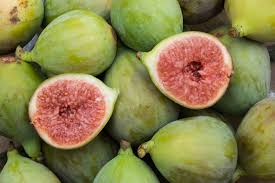
The leaves are large, broad, and deeply lobed, with an intense green color and a rough texture. The fruits, called figs, are rounded or pear-shaped, with a thin skin that can vary from green to purple or brown, depending on the variety.
Gallery

Hortelã

Viver simples, viver sustentável
Contactos
Ficam aqui os meus contactos, e estejam à vontade para comentar e/ou sugerir temas, receitas ou apenas para dizer olá!! 🙂
+351 918 517 017
Chamada para a rede móvel nacional
Subscrever à Newsletter
Subscreve a newsletter para receberes notícias, ideias e inspiração da Hortelã no teu email :)
Subscricao

Todos os Direitos Reservados © 2026 Hortelã
  |  
cart
linkedin facebook pinterest youtube rss twitter instagram facebook-blank rss-blank linkedin-blank pinterest youtube twitter instagram