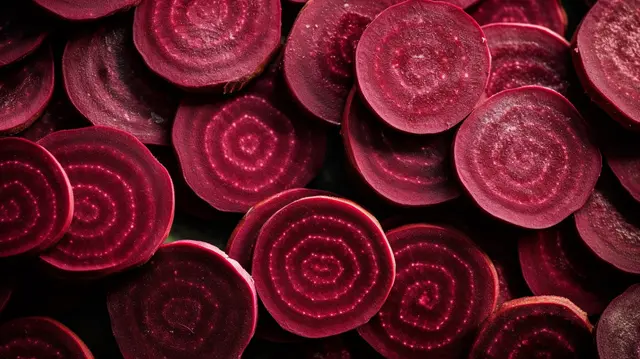
Beetroot

Sobre a planta

The beetroot is a root vegetable belonging to the species Beta vulgaris, primarily cultivated for its edible purplish-red tuber and slightly sweet flavor. It is a highly nutritious plant, rich in vitamins, minerals, and antioxidants, and is used in various culinary preparations such as salads, soups, and juices. In addition to the root, its leaves can also be consumed and have high nutritional value.

Difficulty
Medium
Sun Exposure
Yes
Water
Regularly
Plant Size
40 CM
Nutrition
The beetroot is rich in nutrients essential for the body, being a good source of folate (vitamin B9), vitamin C, potassium, iron, and fiber. It also contains natural antioxidants, such as betalains, which help protect the body's cells.
Humidity
The beetroot requires a moderate level of soil moisture to develop properly. The soil should remain moist but not waterlogged, as excess water can cause root rot. Regular watering is important, especially during the growth phase, to ensure the proper development of the tuber.
Cleaning
Cleaning in beetroot cultivation mainly consists of removing weeds that compete for nutrients, water, and soil space. Keeping the area around the plant clean helps to ensure better root development and reduces the risk of pests and diseases. It is also important to remove dry or damaged leaves when necessary.
Temperature
-100 -50 0 50 100
Inaceitavel
Acceptable
Ideal
Sowing
Beetroot planting is normally done by direct sowing into the soil, as the plant does not tolerate transplanting well. Seeds are placed about 2 to 3 cm deep, with enough spacing to allow for root development. After germination, it is common to thin out the seedlings, removing the weakest plants to give the remaining ones more room to grow. The soil should be loose, fertile, and well-drained, and it is important to maintain regular watering to ensure uniform root growth until harvest.
Weaknesses
Sensitive to highly compacted soils that hinder root growth Vulnerable to excessive soil moisture, which can cause rotting Susceptible to some fungal diseases on the leaves Can be attacked by pests such as aphids and leaf miners Extreme temperatures can hinder root development
Leaves/Fruits
Beetroot leaves are green, broad, and have prominent veins, and may also show reddish tones. They are edible and nutritious, and are sometimes used in cooking. The main part of the plant is the fleshy, rounded root, usually purplish-red in color, which develops underground and is the most widely consumed part.
Gallery

Hortelã

Viver simples, viver sustentável
Contactos
Ficam aqui os meus contactos, e estejam à vontade para comentar e/ou sugerir temas, receitas ou apenas para dizer olá!! 🙂
+351 918 517 017
Chamada para a rede móvel nacional
Subscrever à Newsletter
Subscreve a newsletter para receberes notícias, ideias e inspiração da Hortelã no teu email :)
Subscricao

Todos os Direitos Reservados © 2026 Hortelã
  |  
cart
linkedin facebook pinterest youtube rss twitter instagram facebook-blank rss-blank linkedin-blank pinterest youtube twitter instagram