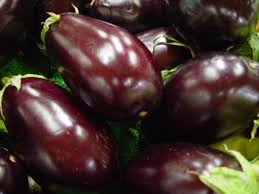
Aubergine is a plant of the species Solanum melongena, cultivated for its edible fruits which typically have purple skin and soft flesh. It is widely used in cooking for various dishes and has good nutritional value.
Difficulty
Simple
Sun Exposure
Yes
Water
Regularly
Plant Size
90 CM
Nutrition
Aubergine contains mostly water and fiber, also providing potassium, magnesium, calcium, phosphorus, and manganese. In terms of vitamins, it possesses folic acid (B9), vitamin B6, vitamin K, and small doses of vitamin C, besides being rich in antioxidants such as anthocyanins.
Humidity
Aubergine requires moderate and regular soil moisture, especially during fruit development.
Cleaning
Cleaning consists of removing weeds and taking out dry or damaged leaves to keep the plant healthy.
Temperature
-100-50050100
Inaceitavel
Acceptable
Ideal
Sowing
Aubergine planting normally starts with sowing in a nursery. After initial growth, the seedlings are transplanted to their final location, leaving enough space between plants for development.
Weaknesses
Susceptible to aphids, mites, and caterpillars
Vulnerable to fungal diseases
Excessive moisture can cause rot
Low temperatures hinder growth
Sensitive to poorly drained soils
Leaves/Fruits
Aubergine leaves are broad, green, and slightly velvety.
The fruit is generally elongated or oval, with purple skin and light-colored edible flesh.