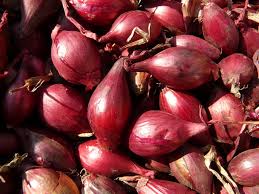
The shallot is a vegetable of the species Allium cepa, cultivated for its small bulbs with a mild and aromatic flavor. It is widely used in cooking and possesses characteristics similar to those of the onion.
Difficulty
Simple
Sun Exposure
Yes
Water
Occasionally
Plant Size
35 CM
Nutrition
The shallot is rich in vitamin C, antioxidants, and fiber. It also contains B-complex vitamins, potassium, and beneficial natural compounds.
Humidity
The shallot requires moderate soil moisture, avoiding excess water that could cause the bulbs to rot.
Cleaning
Cleaning consists of removing weeds that compete for water and nutrients.
Temperature
-100-50050100
Inaceitavel
Acceptable
Ideal
Sowing
Shallot planting is generally done using small bulbs, placed directly in the soil with enough space between plants for development.
Weaknesses
Susceptible to pests such as the onion fly
Vulnerable to fungal diseases
Excess moisture can cause rot
Poorly drained soils hinder development
Competition with weeds can affect growth
Leaves/Fruits
The leaves are long, green, and cylindrical.
The consumed part is the small bulbs that develop underground.